

Thank you for Subscribing to Semiconductor Review Weekly Brief
× 
Semi Conductor Review Weekly Brief
Be first to read the latest tech news, Industry Leader's Insights, and CIO interviews of medium and large enterprises exclusively from Semi Conductor Review
Acorn Logic Technology has been recognized by Semiconductor Review Magazine as the exclusive recipient of “Top Embedded Systems and Applications Development Solutions In Apac 2026,” based on our proprietary methodology, reflecting its position in the industry, and is also named among “Top PCB Design Solutions in APAC,” reflecting its broader leadership. This profile has been developed by the Semiconductor Review research and editorial team based on insights from an interview with Yuichi Kawamura, President and CEO .


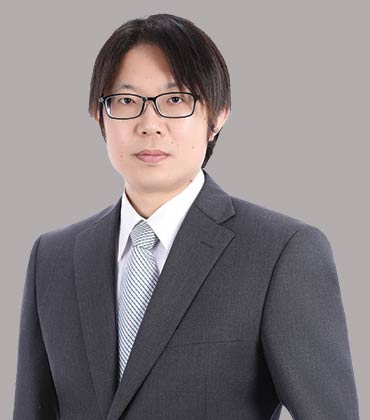 Yuichi Kawamura, President and CEO
“Since a single person is in charge of the entire system, the discrepancies that often arise during development do not occur,” says Kawamura.
The model gives him a direct view of technical feasibility before development gets underway. He studies the technologies involved, conducts preliminary experiments when required and considers alternative approaches early. For clients, the process means a rough concept can be examined, refined into specifications and carried into development by the same engineer.
Turning Early Ideas Into Engineering Specifications
Acorn Logic Technology frequently works with clients at the R&D stage, when a project may begin as a concept. Kawamura discusses the intended application, evaluates feasible methods and determines the specifications and features needed to turn the idea into a working system.
The company’s engineering capabilities cover electrical circuit design and PCB layout using PADS Flow. Software development primarily uses C, C++ and C#, while firmware work extends across microcontrollers, single-board computers and FPGAs. Windows-based application software is also developed for operational testing.
The combination has supported projects ranging from standalone test equipment for components installed on small satellites to systems used to test small-satellite control systems. Other R&D applications include multi-channel three-axis vibration meters, signal waveform measurement equipment and light transmittance measuring equipment.
Working Within The Hardware Available
A stepper-motor control project demonstrates how that approach works when engineering constraints are fixed from the outset. The system required a predetermined 16-bit microcontroller, yet the application demanded smooth, error-free control, high numerical precision and sufficient rotational speed.
The technical challenge was closely linked to processing speed. More precise calculations required additional processing time, while calculation speed directly affected the motor's maximum rotational speed. Because the microcontroller had been specified by the customer, the hardware itself could not be changed.
Kawamura applied existing mathematical algorithms as needed and devised a calculation method that accelerated processing while maintaining the required precision. The approach enabled the system to achieve the required rotational speed while retaining the predetermined hardware.
-
Since a single person is in charge of the entire system, the discrepancies that often arise during development do not occur.
Kawamura applied existing mathematical algorithms as needed and devised a calculation method that accelerated processing while maintaining the required precision. The approach enabled the system to achieve the required rotational speed while retaining the predetermined hardware.
Designed For Research And Development
The company's systems are primarily created to support customer R&D instead of products intended for the open market. Ease of use therefore carries particular importance. Researchers need systems that allow them to conduct tests, evaluate results and continue their development work without unnecessary complexity.
Acorn Logic Technology also considers scalability during the initial hardware and software architecture. Architectural decisions can leave room for additional features and changes as a project develops.
Support continues according to the requirements of each engagement. The company accepts inquiries about completed deliverables and can undertake modifications separately. Some projects involve ongoing support arrangements, while Kawamura may attend operational testing and resolve issues directly.
Where Technical Continuity Becomes Customer Value
Astroscale Japan Inc., EMT Co., Ltd. and research institutions are among Acorn Logic Technology's clients. Repeat engagements have followed as clients return with new requirements and projects that benefit from detailed consultation, feasible proposals and systems designed around their intended use.
Kawamura's role remains central to that relationship. A client can bring a rough concept, discuss its requirements in detail and work with the same engineer as the project moves into specifications, development and testing. The continuity keeps technical decisions closely tied to the original purpose of the system while allowing issues to be addressed as the project progresses.
Acorn Logic Technology's combination of technical continuity, specialized R&D experience and practical problem-solving provides the foundation for its recognition as Top Embedded Systems and Applications Development Solutions in APAC 2026. The recognition reflects an approach built around one engineer's involvement across the development process, careful evaluation of technical constraints and systems designed to support the people conducting the work.
When Embedded Development Needs One Technical Owner
Embedded designs can fail at any stage in the process before reaching production. It is possible that the processor may meet the needs defined in the requirements, but will be inadequate once the software overheads are factored in or there is some device requirement imposed on the design. This means that the procurement is not based so much on the range of capabilities offered by a supplier but rather on the ability of the provider to make assessments regarding feasibility and to integrate hardware and software decisions.
The first consideration here is ownership beyond the system boundary. Many embedded projects separate the board design from the firmware development and thus create a margin for differences in assumptions. It would be wise for potential buyers to look at how the provider makes decisions regarding interfaces, changes in requirements, debugging and hardware versus software tradeoffs. This will be important especially when it is no longer feasible to replace the chosen device.
Feasibility is equally worthy of evaluation. The service provider that codes without fully comprehending the technology may set the project up for an inappropriate framework from the start. Experimentation at this stage is preferable to an elegantly crafted schedule if there is uncertainty about available headroom on the processors or support for peripherals. Management should search for a process that can test assumptions in advance of significant design work and can suggest alternate approaches if the initial idea is unworkable. In any case, the early experimental phase will uncover limitations when the decisions are still inexpensive to change.
Architecture should also be judged by how well it supports later modification without making the initial system unnecessarily elaborate. Scalability has value when it is designed into both hardware and software from the start, but excess abstraction can burden small embedded projects with complexity they may never use. The stronger approach is proportionate design. Processing capacity, software structure, hardware interfaces and expansion paths should leave room for likely extensions while keeping the present system understandable enough to modify.
“Acorn Logic Technology begins by understanding the underlying technology and can run preliminary experiments before development when feasibility is uncertain.”
The nature of the end use changes the buying decision. Systems built to support research and development place unusual weight on usability during experimentation rather than only on production economics. Researchers may need to alter test conditions and repeat experiments without constant engineering support. Development tools and interfaces should make that work practical instead of forcing users to understand unnecessary implementation details. In that setting, an embedded development partner should be judged on how effectively it turns an incomplete concept into a usable working system through careful consultation and practical specification choices.
Acorn Logic Technology handles embedded projects through single-person responsibility for the full system, keeping hardware and software decisions under one technical owner. It begins by understanding the underlying technology and can run preliminary experiments before development when feasibility is uncertain. This model is suitable where the early options can be taken if the selection of the particular device in itself or the specifications thereof has any limitations. The hardware and software designs of this model take into account future expandability, while its application in a research and development environment focuses on user-friendliness. For customers that place value on technical ownership and early feasibility assessment along with design adaptability, Acorn Logic Technology is a good option to consider.
...Read more
Embedded Systems and Applications Development Solutions in APAC Info
Q1
What Do Embedded Systems and Applications Development Solutions in APAC Cover?
Embedded systems combine dedicated computing hardware, firmware and application software to perform defined functions within a larger product, instrument or research setup. Embedded Systems and Applications Development Solutions in APAC can cover circuit design, printed circuit board layouts, microcontroller programming, FPGA development, device control and supporting test applications. The work may begin with an early technical concept and continue through specifications, implementation and validation. These elements need to be considered together because software decisions can affect processing limits, component selection and overall system behavior.
Q2
How Does Acorn Logic Technology Approach Early-Stage Development?
Acorn Logic Technology works with clients during research and development, including projects that begin with an initial idea rather than a complete specification. President and CEO Yuichi Kawamura personally oversees client projects, assessing feasibility and conducting preliminary experiments when necessary. Its engineering capabilities include electrical circuit design and PCB layout using PADS Flow, software development in C, C++ and C#, and firmware for microcontrollers, single-board computers and FPGAs. This approach to Embedded Systems and Applications Development Solutions in APAC keeps hardware, firmware and application software connected through development and testing.
Q3
Why Is Hardware And Software Coordination Important?
Embedded projects operate within practical limits such as processing capacity, memory, timing and component capabilities. Embedded Systems and Applications Development Solutions in APAC must account for these constraints before implementation choices become difficult to change. A motor-control application, for example, may need to balance calculation precision with processing speed while using a predetermined microcontroller. Coordinated engineering helps address trade-offs across circuit design, firmware and software rather than treating each layer separately. Early feasibility work can also identify alternative algorithms or architectures that meet requirements without changing fixed hardware.
Q4
Which Applications Can Embedded Development Support?
The field supports specialized instruments and systems, particularly equipment developed for testing, measurement and internal research. Acorn Logic Technology has developed standalone test equipment for components used in small satellites, systems for testing small-satellite control systems, multi-channel three-axis vibration meters, signal waveform measurement equipment and light transmittance measuring equipment. These applications demonstrate how Embedded Systems and Applications Development Solutions in APAC can support purpose-built R&D tools rather than only mass-market products. Each design depends on the measurements, operating conditions and workflow the equipment must accommodate.
Q5
What Should Organizations Evaluate When Selecting A Development Partner?
Organizations should assess whether a development partner can translate an intended application into workable specifications, explain technical trade-offs and validate the system against its requirements. Important considerations include hardware and software capabilities, familiarity with the required processing platform, testing methods, usability and scope for future changes. Embedded Systems and Applications Development Solutions in APAC may also require post-delivery troubleshooting, modifications or assistance during operational testing. Understanding how these services will be handled helps maintain continuity between development completion and practical use.
Q6
How Does Acorn Logic Technology Maintain Continuity After Development?
Acorn Logic Technology considers usability and future expansion during system architecture, allowing room for additional features as an R&D project evolves. After delivery, it accepts inquiries about completed systems and can undertake modifications separately. Some engagements include ongoing support, while Kawamura may attend operational testing and address issues directly. Its clients include Astroscale Japan Inc., EMT Co., Ltd. and research institutions. This continuity connects the original project purpose with later testing and changes, an important consideration in Embedded Systems and Applications Development Solutions in APAC when equipment must remain useful as research needs develop.
| Share this Article:Tweet
|
Company
Acorn Logic Technology
Management
Yuichi Kawamura, President and CEO
Description
Acorn Logic Technology develops embedded systems and applications for R&D environments, integrating hardware, firmware and software development. Led by President and CEO Yuichi Kawamura, the company supports projects from early concepts and specifications through development, testing and ongoing technical support.
This content is copyright protected
However, if you would like to share the information in this article, you may use the link below:
https://www.semiconductorreviewapac.com/acorn-logic-technology-2026